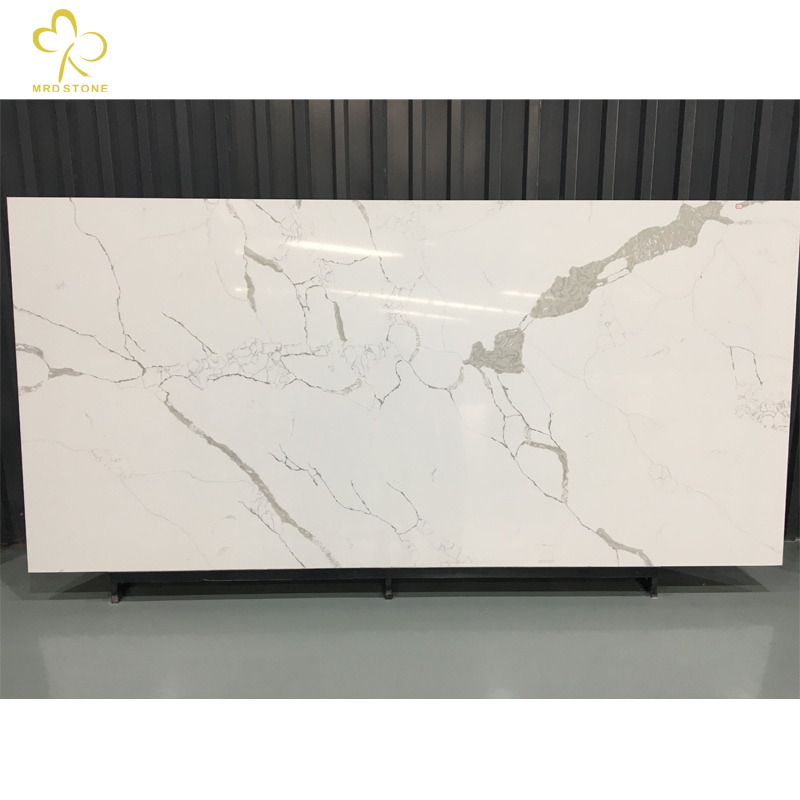
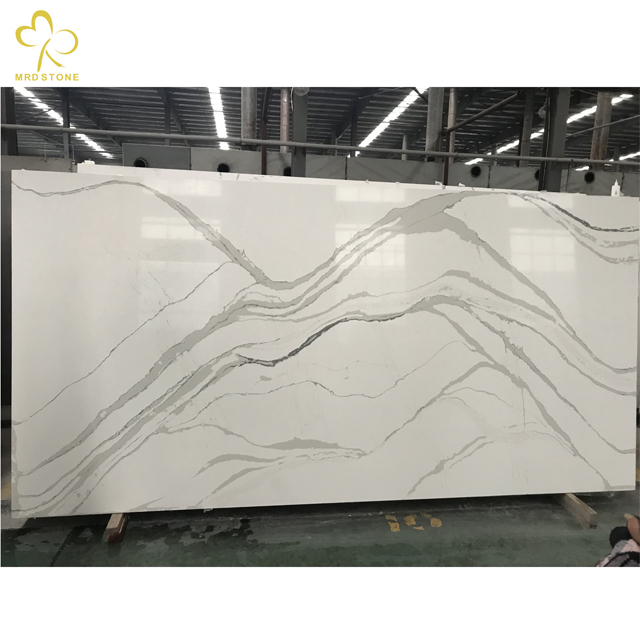
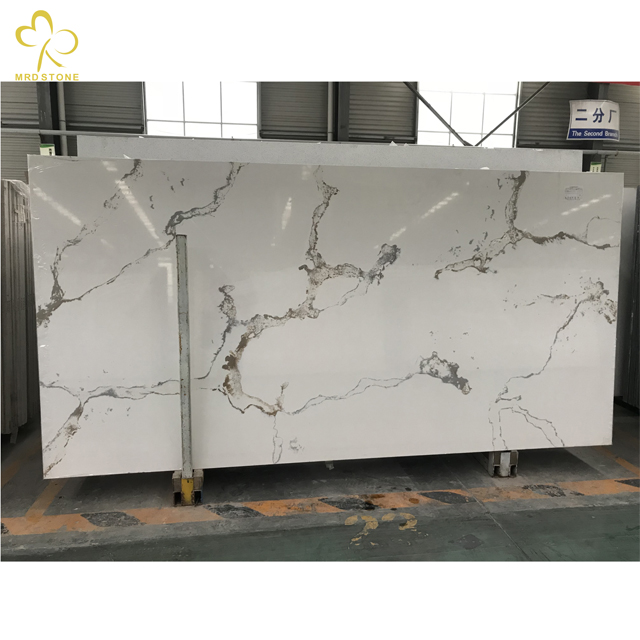
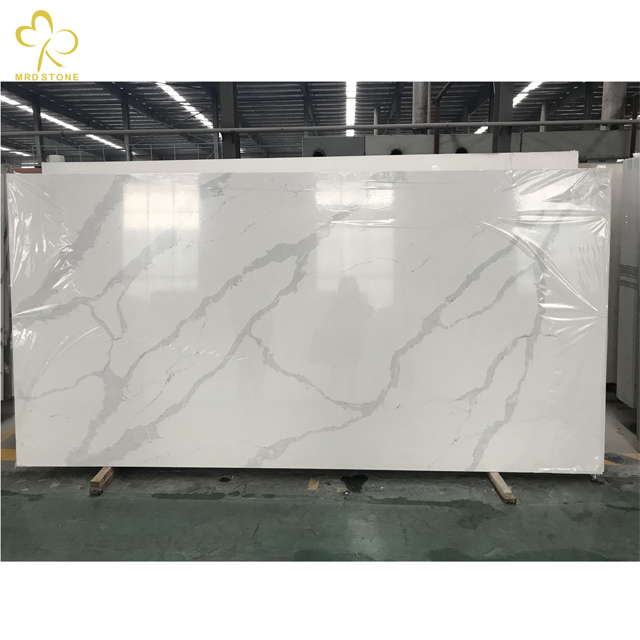
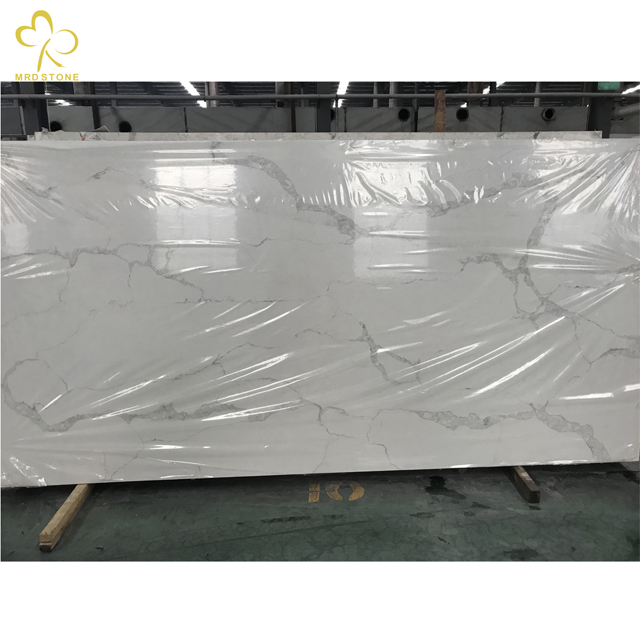
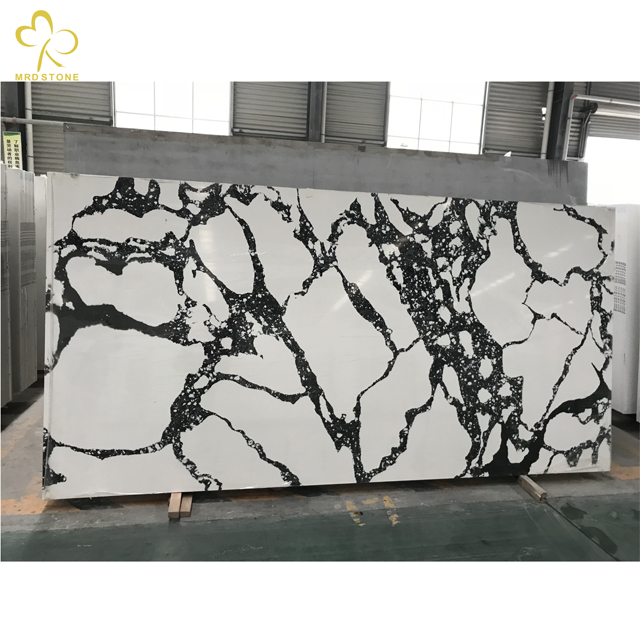
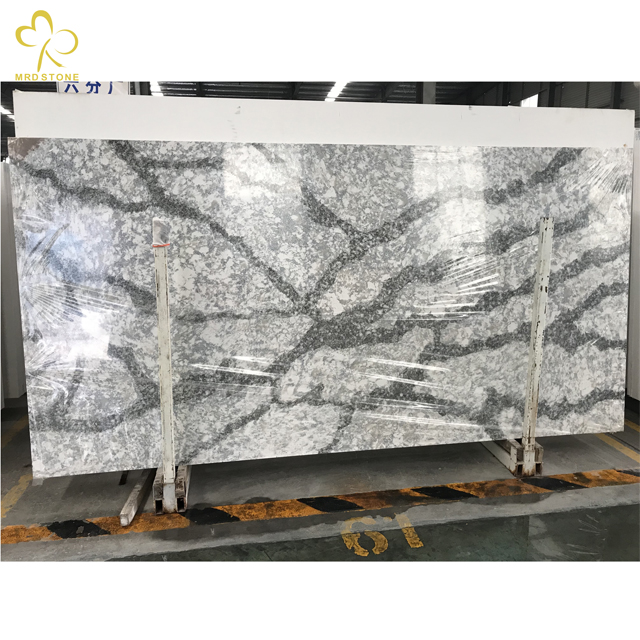
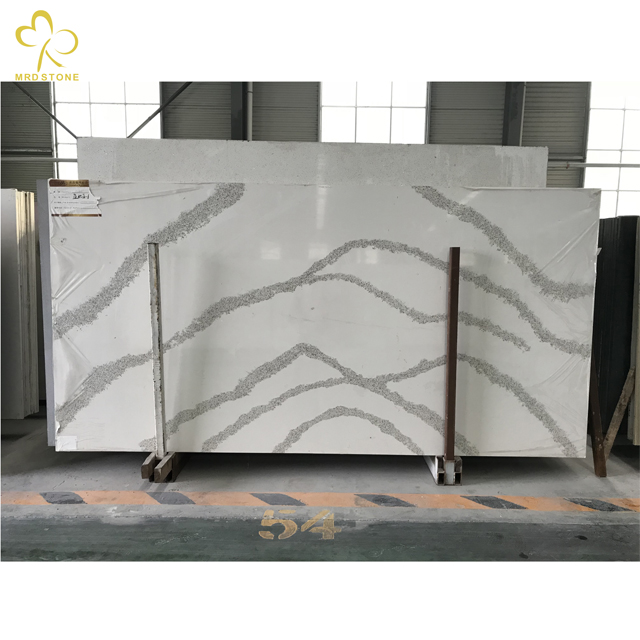
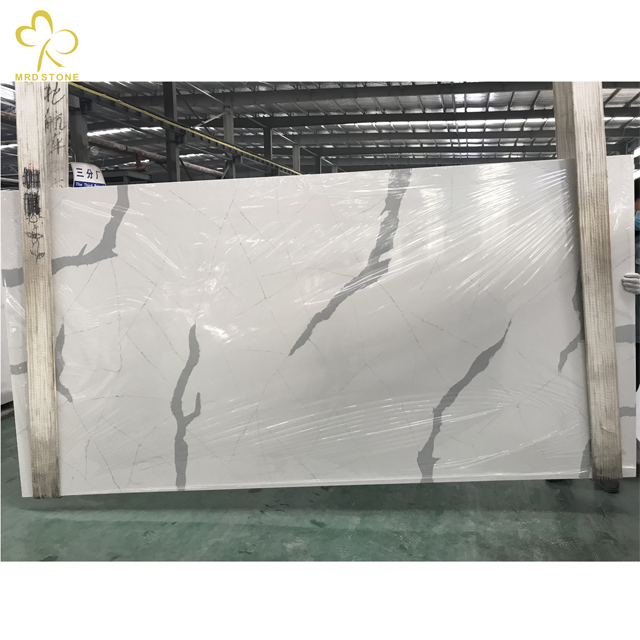
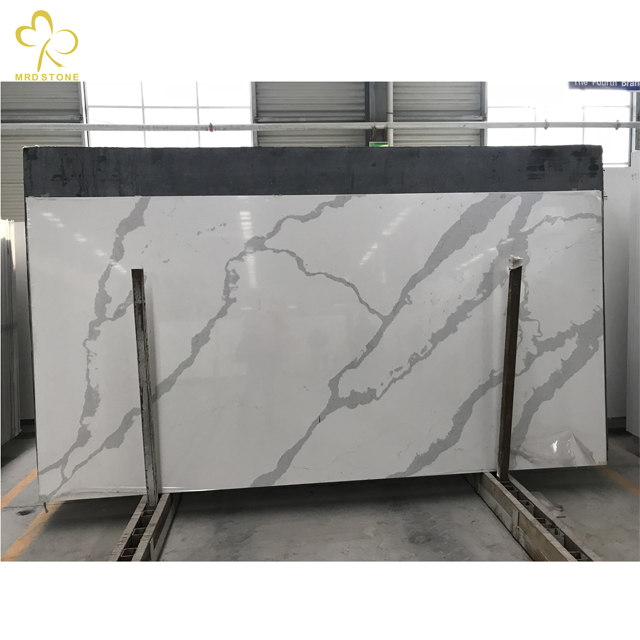
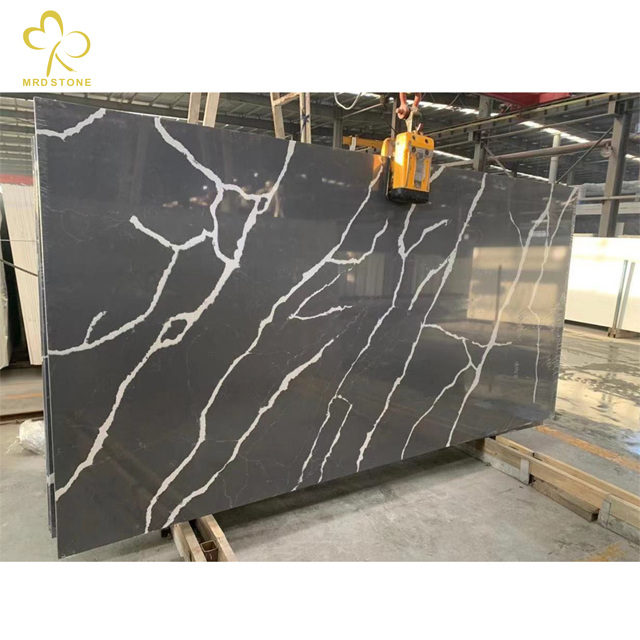
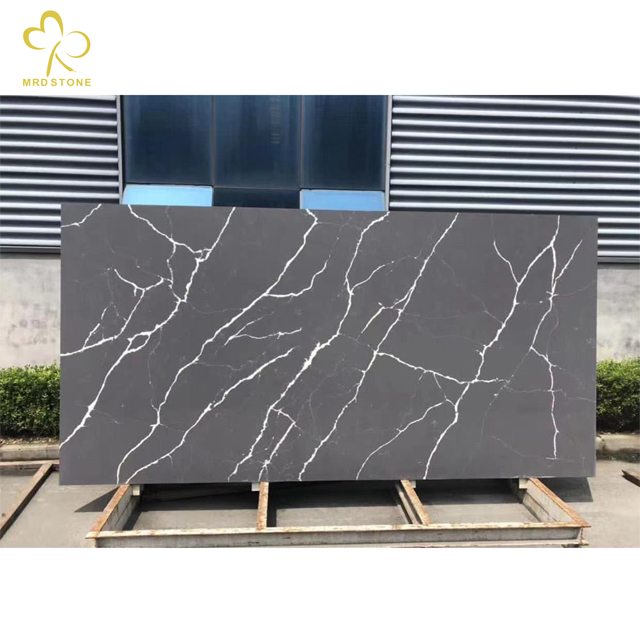
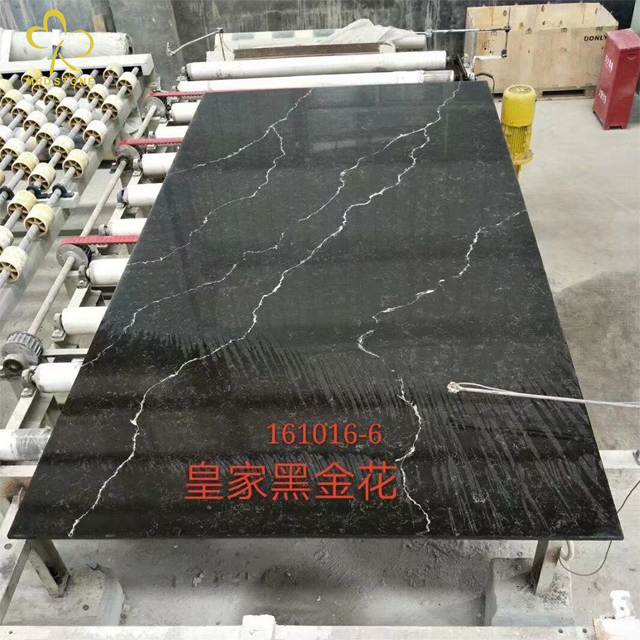
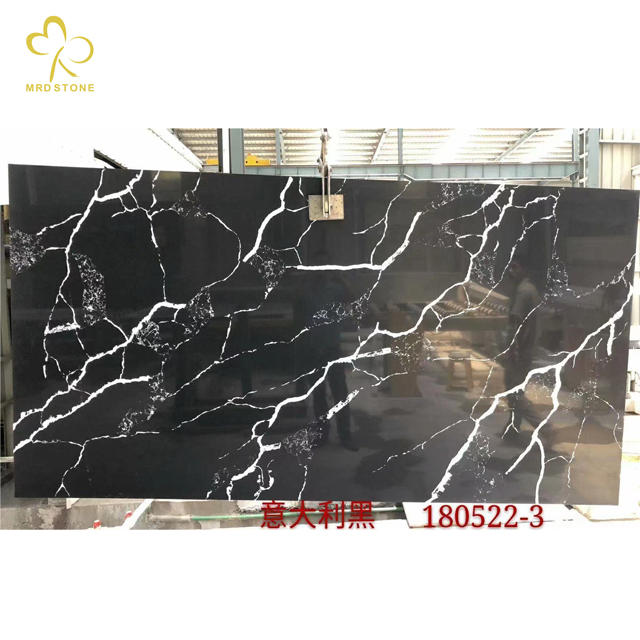
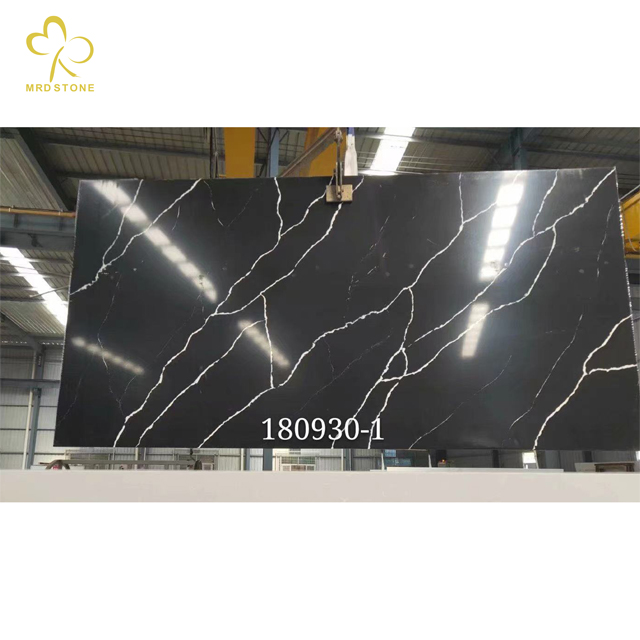
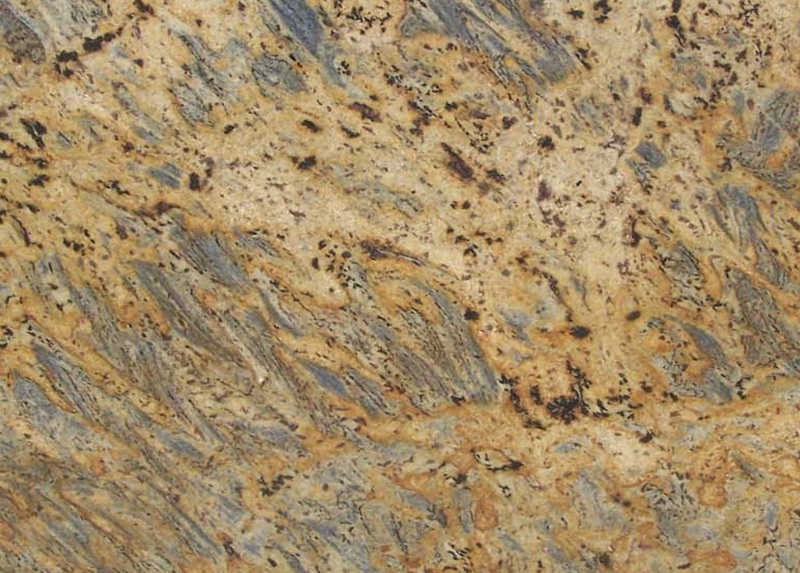
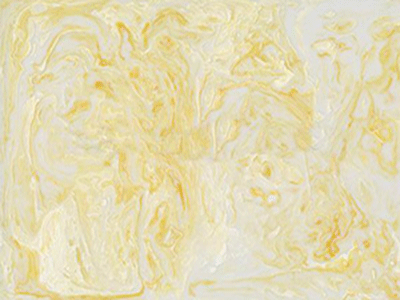
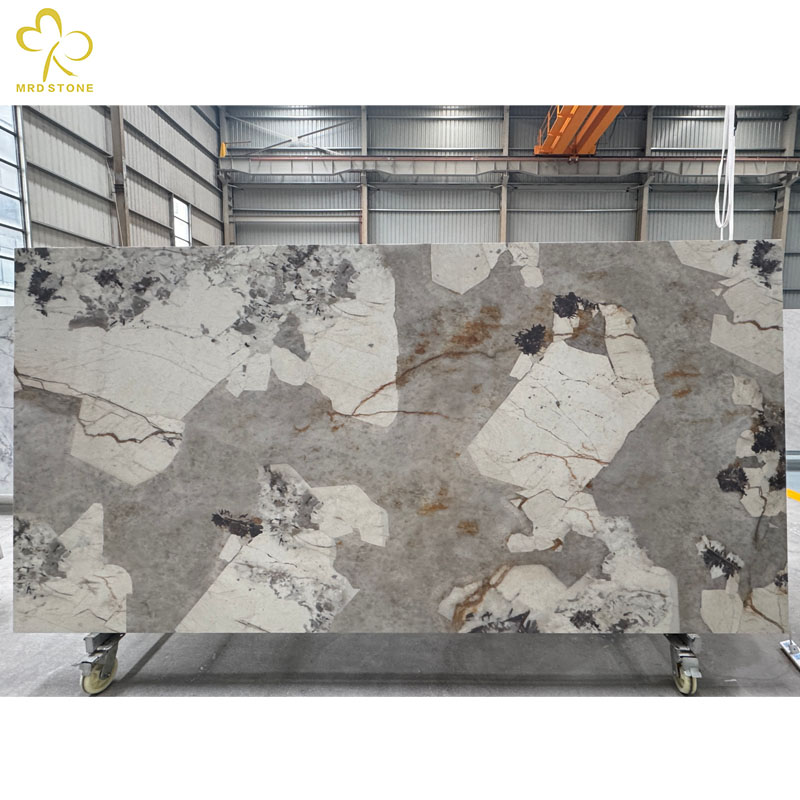
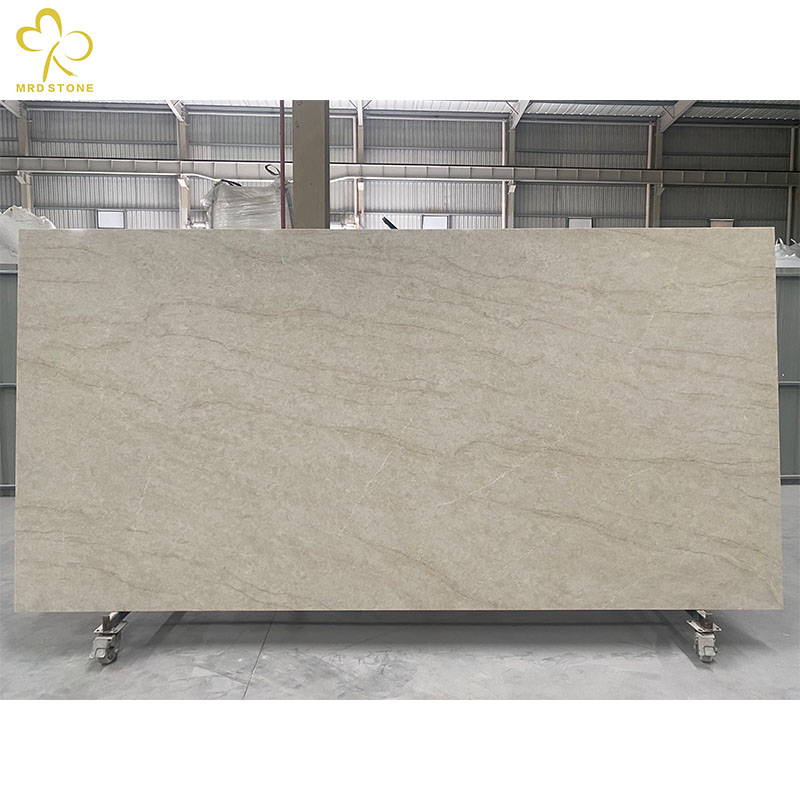
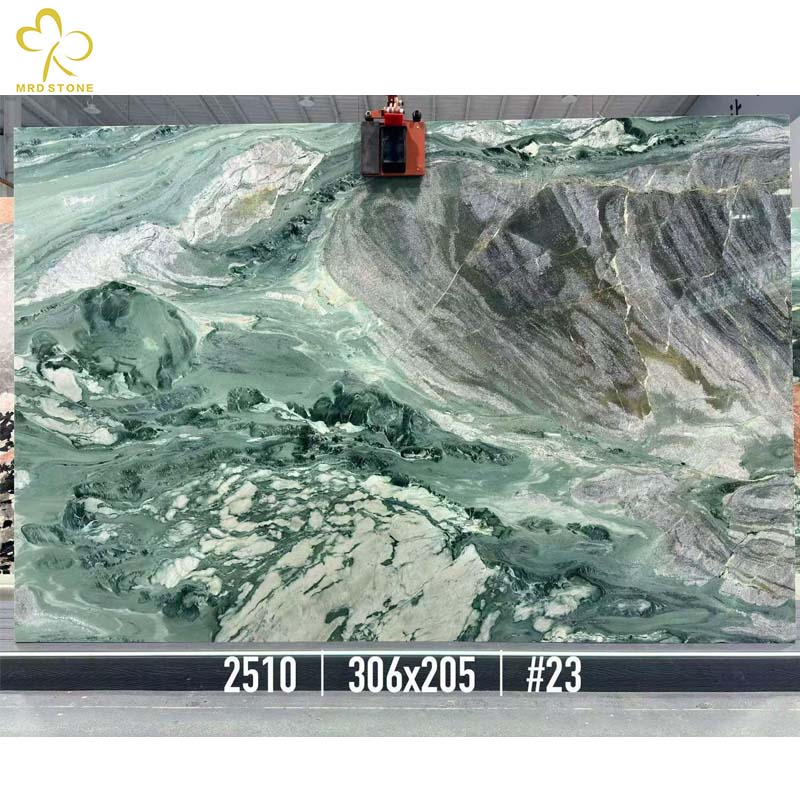
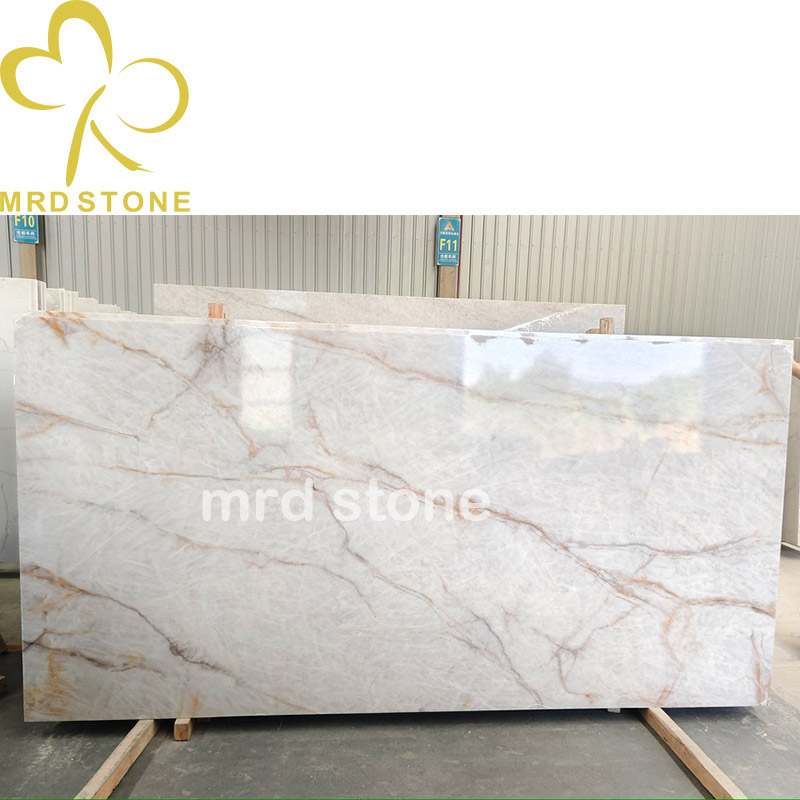
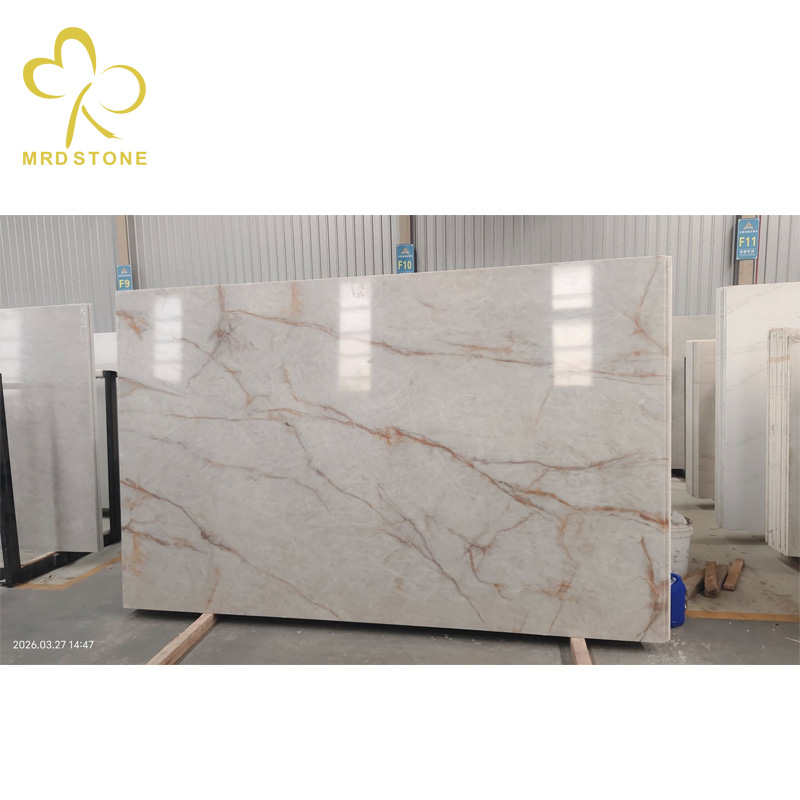
Calacatta White Artificial Quartz Stone Slab is a manmade product created mostly from natural materials. It’s made of 90 to 94 percent ground quartz and 6 to 10 percent resins and pigments that are combined into durable and nonporous slabs. Engineered quartz is hard, dense, nonporous, nonabrasive, and nonreactive to acids—attributes that make it perfect for use as countertops, backsplashes, walls, and even floors.
Engineered quartz is hard, dense, nonporous, nonabrasive, and nonreactive to acids—attributes that make it perfect for use as countertops, backsplashes, walls, and even floors. And it’s not recommended for use outside because the resins aren’t UV stable. In terms of heat resistance, the material is reportedly not affected by temperatures lower than 300 degrees Fahrenheit.
Engineered quartz is hard, dense, nonporous, nonabrasive, and nonreactive to acids—attributes that make it perfect for use as countertops, backsplashes, walls, and even floors. And it’s not recommended for use outside because the resins aren’t UV stable. In terms of heat resistance, the material is reportedly not affected by temperatures lower than 300 degrees Fahrenheit.
Engineered quartz is hard, dense, nonporous, nonabrasive, and nonreactive to acids—attributes that make it perfect for use as countertops, backsplashes, walls, and even floors. And it’s not recommended for use outside because the resins aren’t UV stable. In terms of heat resistance, the material is reportedly not affected by temperatures lower than 300 degrees Fahrenheit.
Engineered quartz is hard, dense, nonporous, nonabrasive, and nonreactive to acids—attributes that make it perfect for use as countertops, backsplashes, walls, and even floors. And it’s not recommended for use outside because the resins aren’t UV stable. In terms of heat resistance, the material is reportedly not affected by temperatures lower than 300 degrees Fahrenheit.
Engineered quartz is hard, dense, nonporous, nonabrasive, and nonreactive to acids—attributes that make it perfect for use as countertops, backsplashes, walls, and even floors. And it’s not recommended for use outside because the resins aren’t UV stable. In terms of heat resistance, the material is reportedly not affected by temperatures lower than 300 degrees Fahrenheit.
Quartz Stone Manufacturers Calacatta Quartz Stone is hard, dense, nonporous, nonabrasive, and nonreactive to acids—attributes that make it perfect for use as countertops, backsplashes, walls, and even floors. And it’s not recommended for use outside because the resins aren’t UV stable. In terms of heat resistance, the material is reportedly not affected by temperatures lower than 300 degrees Fahrenheit.
Engineered quartz is hard, dense, nonporous, nonabrasive, and nonreactive to acids—attributes that make it perfect for use as countertops, backsplashes, walls, and even floors. And it’s not recommended for use outside because the resins aren’t UV stable. In terms of heat resistance, the material is reportedly not affected by temperatures lower than 300 degrees Fahrenheit.
Engineered quartz is hard, dense, nonporous, nonabrasive, and nonreactive to acids—attributes that make it perfect for use as countertops, backsplashes, walls, and even floors. And it’s not recommended for use outside because the resins aren’t UV stable. In terms of heat resistance, the material is reportedly not affected by temperatures lower than 300 degrees Fahrenheit.
Engineered quartz is hard, dense, nonporous, nonabrasive, and nonreactive to acids—attributes that make it perfect for use as countertops, backsplashes, walls, and even floors. And it’s not recommended for use outside because the resins aren’t UV stable. In terms of heat resistance, the material is reportedly not affected by temperatures lower than 300 degrees Fahrenheit.
Engineered quartz is hard, dense, nonporous, nonabrasive, and nonreactive to acids—attributes that make it perfect for use as countertops, backsplashes, walls, and even floors. And it’s not recommended for use outside because the resins aren’t UV stable. In terms of heat resistance, the material is reportedly not affected by temperatures lower than 300 degrees Fahrenheit.
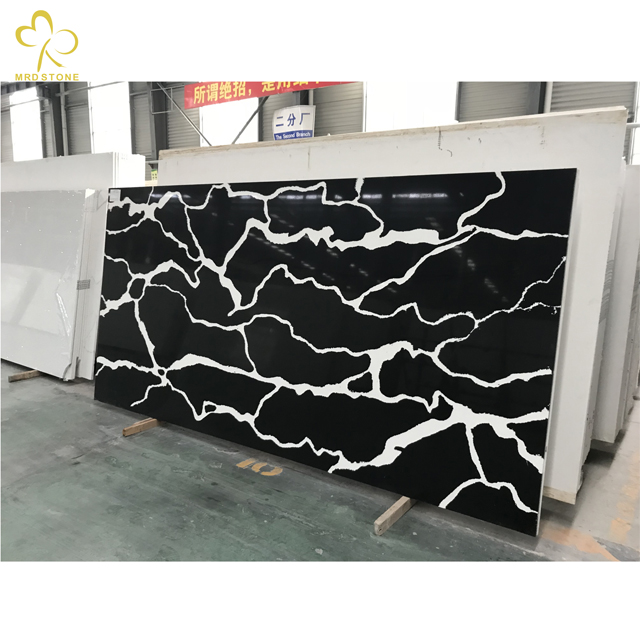
China Quartz Supplier Black Calacatta Quartz is hard, dense, nonporous, nonabrasive, and nonreactive to acids—attributes that make it perfect for use as countertops, backsplashes, walls, and even floors. And it’s not recommended for use outside because the resins aren’t UV stable. In terms of heat resistance, the material is reportedly not affected by temperatures lower than 300 degrees Fahrenheit.
China Black Calacatta Quartz Stone Slabs is hard, dense, nonporous, nonabrasive, and nonreactive to acids—attributes that make it perfect for use as countertops, backsplashes, walls, and even floors. And it’s not recommended for use outside because the resins aren’t UV stable. In terms of heat resistance, the material is reportedly not affected by temperatures lower than 300 degrees Fahrenheit.
China Quartz Factories Artificial Black Quartz Slabs is hard, dense, nonporous, nonabrasive, and nonreactive to acids—attributes that make it perfect for use as countertops, backsplashes, walls, and even floors. And it’s not recommended for use outside because the resins aren’t UV stable. In terms of heat resistance, the material is reportedly not affected by temperatures lower than 300 degrees Fahrenheit.
Wholesale Black Calacatta Artificial Quartz Stone Slabs is hard, dense, nonporous, nonabrasive, and nonreactive to acids—attributes that make it perfect for use as countertops, backsplashes, walls, and even floors. And it’s not recommended for use outside because the resins aren’t UV stable. In terms of heat resistance, the material is reportedly not affected by temperatures lower than 300 degrees Fahrenheit.
Artificial Quartz Stone Slabs Manufacturer is hard, dense, nonporous, nonabrasive, and nonreactive to acids—attributes that make it perfect for use as countertops, backsplashes, walls, and even floors. And it’s not recommended for use outside because the resins aren’t UV stable. In terms of heat resistance, the material is reportedly not affected by temperatures lower than 300 degrees Fahrenheit.
Calacatta White Artificial Quartz Stone Slab is a manmade product created mostly from natural materials. It’s made of 90 to 94 percent ground quartz and 6 to 10 percent resins and pigments that are combined into durable and nonporous slabs. Engineered quartz is hard, dense, nonporous, nonabrasive, and nonreactive to acids—attributes that make it perfect for use as countertops, backsplashes, walls, and even floors.
Engineered quartz is hard, dense, nonporous, nonabrasive, and nonreactive to acids—attributes that make it perfect for use as countertops, backsplashes, walls, and even floors. And it’s not recommended for use outside because the resins aren’t UV stable. In terms of heat resistance, the material is reportedly not affected by temperatures lower than 300 degrees Fahrenheit.
Engineered quartz is hard, dense, nonporous, nonabrasive, and nonreactive to acids—attributes that make it perfect for use as countertops, backsplashes, walls, and even floors. And it’s not recommended for use outside because the resins aren’t UV stable. In terms of heat resistance, the material is reportedly not affected by temperatures lower than 300 degrees Fahrenheit.
Engineered quartz is hard, dense, nonporous, nonabrasive, and nonreactive to acids—attributes that make it perfect for use as countertops, backsplashes, walls, and even floors. And it’s not recommended for use outside because the resins aren’t UV stable. In terms of heat resistance, the material is reportedly not affected by temperatures lower than 300 degrees Fahrenheit.
Engineered quartz is hard, dense, nonporous, nonabrasive, and nonreactive to acids—attributes that make it perfect for use as countertops, backsplashes, walls, and even floors. And it’s not recommended for use outside because the resins aren’t UV stable. In terms of heat resistance, the material is reportedly not affected by temperatures lower than 300 degrees Fahrenheit.
Engineered quartz is hard, dense, nonporous, nonabrasive, and nonreactive to acids—attributes that make it perfect for use as countertops, backsplashes, walls, and even floors. And it’s not recommended for use outside because the resins aren’t UV stable. In terms of heat resistance, the material is reportedly not affected by temperatures lower than 300 degrees Fahrenheit.
Quartz Stone Manufacturers Calacatta Quartz Stone is hard, dense, nonporous, nonabrasive, and nonreactive to acids—attributes that make it perfect for use as countertops, backsplashes, walls, and even floors. And it’s not recommended for use outside because the resins aren’t UV stable. In terms of heat resistance, the material is reportedly not affected by temperatures lower than 300 degrees Fahrenheit.
Engineered quartz is hard, dense, nonporous, nonabrasive, and nonreactive to acids—attributes that make it perfect for use as countertops, backsplashes, walls, and even floors. And it’s not recommended for use outside because the resins aren’t UV stable. In terms of heat resistance, the material is reportedly not affected by temperatures lower than 300 degrees Fahrenheit.
Engineered quartz is hard, dense, nonporous, nonabrasive, and nonreactive to acids—attributes that make it perfect for use as countertops, backsplashes, walls, and even floors. And it’s not recommended for use outside because the resins aren’t UV stable. In terms of heat resistance, the material is reportedly not affected by temperatures lower than 300 degrees Fahrenheit.
Engineered quartz is hard, dense, nonporous, nonabrasive, and nonreactive to acids—attributes that make it perfect for use as countertops, backsplashes, walls, and even floors. And it’s not recommended for use outside because the resins aren’t UV stable. In terms of heat resistance, the material is reportedly not affected by temperatures lower than 300 degrees Fahrenheit.
Engineered quartz is hard, dense, nonporous, nonabrasive, and nonreactive to acids—attributes that make it perfect for use as countertops, backsplashes, walls, and even floors. And it’s not recommended for use outside because the resins aren’t UV stable. In terms of heat resistance, the material is reportedly not affected by temperatures lower than 300 degrees Fahrenheit.
China Quartz Supplier Black Calacatta Quartz is hard, dense, nonporous, nonabrasive, and nonreactive to acids—attributes that make it perfect for use as countertops, backsplashes, walls, and even floors. And it’s not recommended for use outside because the resins aren’t UV stable. In terms of heat resistance, the material is reportedly not affected by temperatures lower than 300 degrees Fahrenheit.
China Black Calacatta Quartz Stone Slabs is hard, dense, nonporous, nonabrasive, and nonreactive to acids—attributes that make it perfect for use as countertops, backsplashes, walls, and even floors. And it’s not recommended for use outside because the resins aren’t UV stable. In terms of heat resistance, the material is reportedly not affected by temperatures lower than 300 degrees Fahrenheit.
China Quartz Factories Artificial Black Quartz Slabs is hard, dense, nonporous, nonabrasive, and nonreactive to acids—attributes that make it perfect for use as countertops, backsplashes, walls, and even floors. And it’s not recommended for use outside because the resins aren’t UV stable. In terms of heat resistance, the material is reportedly not affected by temperatures lower than 300 degrees Fahrenheit.
Wholesale Black Calacatta Artificial Quartz Stone Slabs is hard, dense, nonporous, nonabrasive, and nonreactive to acids—attributes that make it perfect for use as countertops, backsplashes, walls, and even floors. And it’s not recommended for use outside because the resins aren’t UV stable. In terms of heat resistance, the material is reportedly not affected by temperatures lower than 300 degrees Fahrenheit.
Artificial Quartz Stone Slabs Manufacturer is hard, dense, nonporous, nonabrasive, and nonreactive to acids—attributes that make it perfect for use as countertops, backsplashes, walls, and even floors. And it’s not recommended for use outside because the resins aren’t UV stable. In terms of heat resistance, the material is reportedly not affected by temperatures lower than 300 degrees Fahrenheit.